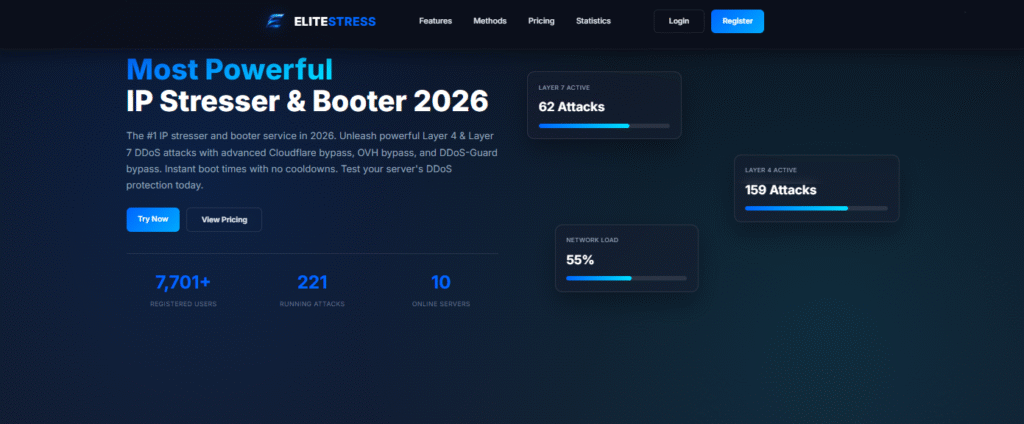

In an era where digital infrastructure is central to business operations, ensuring network reliability is crucial. Tools like DreamStresser offer a way to test servers under extreme conditions, providing valuable insights into performance and security. Understanding this tool is essential for IT professionals and cybersecurity learners alike.
Introduction to DreamStresser
DreamStresser is a network stress testing tool that simulates high-volume traffic to servers and networks. Its main purpose is to evaluate system performance under conditions of stress, helping organizations identify weaknesses and optimize infrastructure.
While some associate DreamStresser with DDoS attacks, it is primarily a testing tool. Ethical use involves analyzing server behavior in controlled environments to improve resilience and prevent downtime.
How DreamStresser Functions
DreamStresser works by sending multiple requests to a target server or IP address. Users can customize traffic patterns, request intensity, and duration of testing. This flexibility allows IT teams to mimic real-world conditions such as sudden surges in users or heavy concurrent connections.
By monitoring responses, administrators can identify server bottlenecks, inefficient applications, or network limitations. Such insights are critical for maintaining uptime and ensuring services remain reliable under peak demand.
Legitimate Use vs Illegal Use
DreamStresser has legitimate applications in network testing and education. Organizations use it to evaluate server performance, optimize resources, and strengthen defenses against potential threats. Educational labs and training environments also use DreamStresser to teach cybersecurity principles.
However, unauthorized use on external networks is illegal. Performing stress tests without consent qualifies as a cyberattack and can result in legal consequences. Ethical practices and permission are mandatory for safe usage.
Educational Importance
For cybersecurity students, DreamStresser offers practical learning opportunities. By simulating high-traffic scenarios in controlled environments, learners can observe system behavior, detect vulnerabilities, and implement defensive measures. This hands-on experience is invaluable for careers in IT management and cybersecurity.
Conclusion
DreamStresser is a powerful tool that highlights both opportunity and caution. When used responsibly, it strengthens networks, improves server performance, and supports cybersecurity education. Misuse, however, is illegal and unethical. By understanding its function and adhering to best practices, IT professionals can leverage DreamStresser to enhance digital infrastructure and maintain reliable services.